Unlock the Advantages of Opting for Xero Shoes Z Trek for an Outstanding Barefoot Experience
Xero Shoes Z Trek embodies the core principles of barefoot shoes by facilitating natural foot movement through its innovative design and premium materials. This significant feature is essential for both outdoor enthusiasts and those who appreciate comfort and performance in their everyday footwear choices.
At <a href="https://limitsofstrategy.com/myshoesfinder-com-your-place-to-get-barefoot-shoes/">MyShoesFinder</a>, our mission is to provide the finest selection of barefoot shoes, enabling active individuals to achieve optimal foot health and unparalleled comfort. Our platform serves as a gateway to high-quality footwear options that cater to various lifestyle needs, ensuring that every step you take is supported.
This detailed guide will explore the essential features of Xero Shoes Z Trek, including:
- Materials used in its construction
- Key design features that enhance functionality
- Guidelines for selecting the perfect size
- Performance benefits to enhance your activities
- Durability and maintenance tips to prolong lifespan
What Unique Materials Are Incorporated in the Construction of Xero Shoes Z Trek?
The materials chosen for Xero Shoes Z Trek are meticulously selected to ensure both durability and flexibility across a range of activities. The upper portion typically features a combination of breathable mesh and synthetic materials, which promote exceptional airflow—an essential characteristic during strenuous activities. This thoughtful combination results in a remarkably lightweight shoe, a crucial factor for any outdoor adventure.
The sole is constructed from a high-grade rubber compound, delivering outstanding grip and traction on a variety of terrains. This vital feature instills confidence when navigating challenging surfaces, such as rocky inclines and slippery areas, thereby enhancing overall stability. For instance, a traveller exploring a rainforest will greatly appreciate footwear that not only provides excellent grip but also efficiently drains water, ensuring comfort and safety.
- Upper: Crafted from breathable mesh and synthetic materials for optimal airflow
- Sole: Composed of high-grade rubber for superior traction and grip
- Weight: Designed to be lightweight, enhancing comfort during wear
What Essential Design Features Define the Xero Shoes Z Trek Experience?
The design of Xero Shoes Z Trek prioritises natural foot movement while simultaneously offering protection and comfort. One of its standout attributes is the minimalist construction, which promotes maximum flexibility and supports a natural gait, a critical aspect for enhancing overall foot health and functionality.
Additionally, the shoe incorporates an adjustable strap system, ensuring a tailored fit that accommodates various foot shapes. This significant design element greatly enhances comfort during extended wear, whether you are navigating urban environments or exploring scenic rural trails.
| Feature | Description |
|---|---|
| Minimalist Design | Facilitates natural foot movement and enhances flexibility |
| Adjustable Strap System | Ensures a secure and customised fit for optimal comfort |
How to Accurately Select the Right Size for Xero Shoes Z Trek?
Choosing the appropriate size for Xero Shoes Z Trek is vital for ensuring comfort and maximising performance. Begin by accurately measuring your foot size. A simple method involves standing on a piece of paper and tracing around your foot, marking the heel and the longest toe. This measurement will assist you in identifying the size that fits you best.
It is also essential to consider your foot width and arch type during the selection process. Individuals with wider feet may find models designed for a broader fit to be significantly more comfortable. By taking these factors into account, you can ensure a snug yet comfortable fit, thereby greatly reducing the risk of developing blisters or discomfort.
- Measure both foot length and width with precision
- Factor in your arch type to ensure the best fit
- Confirm adequate space in the toe box for comfort
What Performance Benefits Can You Expect from Xero Shoes Z Trek?
The performance advantages offered by Xero Shoes Z Trek are deeply rooted in their intelligent design, which enhances natural movement and comfort. These shoes are engineered to promote a healthy stride by mimicking the sensation of walking barefoot, allowing your feet to engage in their natural mechanics effectively.
Many users appreciate the enhanced energy return facilitated by the shoe’s flexible sole. This responsiveness contributes positively to overall foot health while providing superior shock absorption compared to traditional footwear, which can be especially beneficial during extended activities or adventures.
| Benefit | Description |
|---|---|
| Natural Movement | Simulates barefoot walking, promoting improved mechanics and gait |
| Energy Return | Flexible sole enhances walking and running efficiency, reducing fatigue |
What Innovative Sole Technology Is Integrated into the Xero Shoes Z Trek?
The sole technology utilised in Xero Shoes Z Trek plays a pivotal role in delivering performance across diverse terrains. The unique sole design is engineered to provide flexibility, which is essential for enabling natural foot movement during a variety of activities.
This sole is fabricated from high-quality rubber, ensuring superior grip on surfaces that range from rocky trails to slippery wet rocks. This exceptional grip significantly enhances safety during outdoor excursions, effectively preventing slips and falls that could lead to injuries.
- Flexibility: Increases stability on uneven surfaces for improved safety
- Grip: Delivers superior traction, ensuring user confidence
- Low-profile structure: Reduces impact on joints during movement for enhanced comfort
What Are the Key Elements of the Upper Construction of Xero Shoes Z Trek?
The upper construction of Xero Shoes Z Trek is a crucial component that contributes to both comfort and functionality. Typically, it is comprised of breathable mesh and durable synthetic materials, specifically engineered to provide excellent support and ventilation for your feet.
Moreover, the adjustable strap system allows for customisation, ensuring a secure fit that is essential for maintaining stability during various activities. This feature prevents unnecessary movement within the shoe, which can lead to discomfort or blisters during prolonged wear.
| Upper Feature | Description |
|---|---|
| Breathable Mesh | Ensures effective ventilation and comfort for the feet |
| Adjustable Straps | Facilitates a tailored and secure fit for enhanced stability |
How Lightweight and Portable Are Xero Shoes Z Trek?
The lightweight design and portability of Xero Shoes Z Trek are significant advantages that enhance usability. Weighing considerably less than traditional footwear, these shoes facilitate greater mobility and comfort during a variety of activities. This lightweight construction minimises fatigue, making them ideal for extended periods of wear.
Furthermore, the compact design of the Z Trek allows for easy packing and carrying. They can be effortlessly stowed in a backpack, making them the perfect choice for spontaneous outdoor adventures. This encourages individuals to engage more actively in outdoor pursuits, assured that they have reliable and comfortable footwear to rely on.
- Weight: Lightweight design promotes mobility and reduces fatigue
- Portability: Easily fits into a backpack for convenient travel
- Quick-drying: Suitable for various environmental conditions and activities
How Does Xero Shoes Z Trek Enhance Overall Performance?
What Positive Effects Does Xero Shoes Z Trek Have on Foot Health?
The positive effects of Xero Shoes Z Trek on foot health are substantial. These shoes support proper natural alignment and movement patterns, which enhance proprioception and effectively engage the intrinsic muscles of the foot.
The zero-drop platform encourages a natural gait, minimising the likelihood of heel striking while walking or running. This thoughtful design aids in evenly distributing impact across the foot, thereby alleviating strain on the joints while enhancing overall comfort and functionality.
- Encourages natural foot function and mechanics for improved health
- Reduces the risk of common foot ailments and injuries, promoting wellness
- Promotes long-term foot health and overall physical well-being
How Can Xero Shoes Z Trek Be Seamlessly Integrated into Your Daily Activities?
The versatility of Xero Shoes Z Trek allows for seamless integration into daily activities, making it a standout feature. These shoes effortlessly transition from casual outings to more active pursuits, catering to the diverse needs of busy individuals.
For instance, a person can start their day with a jog and then easily switch to running errands. The Z Trek provides the necessary comfort and support for a wide variety of activities, ensuring users feel great throughout their busy day.
- Versatile design accommodates various activities, from casual to active
- Stylish enough for casual outings and errands, enhancing your wardrobe
- Durable construction supports outdoor exploration and active lifestyles
What Insights Are Available on the Long-Term Durability of Xero Shoes Z Trek?
The long-term durability of Xero Shoes Z Trek serves as a crucial factor for anyone seeking high-quality footwear. Crafted from robust materials, these shoes are designed to withstand regular use while retaining their performance over time.
The breathable mesh upper is specifically designed to resist wear and tear, contributing to the overall lifespan of the shoe. In addition, practising regular maintenance, such as cleaning and proper storage, can significantly prolong the life of these shoes, ensuring they remain in excellent condition for years to come.
- High-quality materials promote long-lasting durability and performance
- Resistant to wear and tear from regular use, ensuring reliability
- Practical maintenance tips to enhance longevity and performance
What Do Experts Recommend Regarding Xero Shoes Z Trek?
How Do Experts Evaluate the Comfort Level of Xero Shoes Z Trek?
Experts consistently emphasise that the comfort level of Xero Shoes Z Trek plays a vital role in user satisfaction. To achieve the best fit, users are encouraged to try the shoes on later in the day when their feet are slightly swollen, as this will provide a more accurate sense of comfort and fit.
Utilising moisture-wicking socks can further enhance comfort by keeping the feet dry during wear. Experts recommend walking around in the shoes to fully assess their flexibility and fit before making a final decision, ensuring the ideal choice is made.
- Test the shoes at the end of the day for the most accurate fit
- Wear moisture-wicking socks for added comfort and dryness
- Walk around to evaluate flexibility and fit thoroughly
How Do Experts Assess the Versatility of Xero Shoes Z Trek?
Experts recognise the versatility of Xero Shoes Z Trek as an appealing feature that attracts a broad audience. Designed for multiple activities, these shoes cater to a diverse range of consumers. The minimalist design effectively supports natural foot movement and adapts well to various surfaces, providing exceptional performance.
This adaptable nature allows for efficient performance across different environments, ensuring users can easily transition between activities without the need for changing footwear, thus enhancing convenience and usability.
- Effective for both casual and vigorous activities, offering flexibility
- Stylish design suitable for various settings, enhancing personal style
- Supports modern, active lifestyles with ease and comfort
What Research-Backed Details Underpin the Construction of Xero Shoes Z Trek?
The construction of Xero Shoes Z Trek is firmly grounded in material science and biomechanical research. Experts highlight that the materials are carefully selected to optimise both comfort and functionality for the wearer, ensuring a high-quality experience.
The breathable mesh upper facilitates optimal ventilation, crucial for temperature regulation during use. Furthermore, the flexible sole design fosters a natural gait, helping to minimise the risk of injury while promoting overall foot health and well-being.
- Materials chosen for their specific properties and benefits, ensuring quality
- Breathable upper enhances ventilation and comfort for prolonged wear
- Eco-friendly construction supports sustainability and responsible consumption
The Article Xero Shoes Z Trek: Experience Ultimate Comfort and Versatility appeared first on My Shoes Finder
Explore Related Articles for More Insights:
 Xero Shoes for Back Pain Relief and Improved Posture
 Xero Shoes: Discovering the Brand’s Origins and Makers
 Xero Shoes Sandals: Experience the Joy of Barefoot Walking
 Xero Shoes for Children: 2025 Developmental Podiatry Guide
 Best Xero Shoes: Your Ultimate Buying Guide
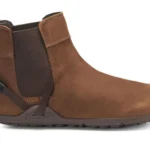 Chelsea Boots Guide: Discover Xero Shoes Styles and Benefits
The Article Xero Shoes Z Trek: Discover Unmatched Comfort and Versatility Was Found On https://limitsofstrategy.com