Revitalise Your Home This Spring: Harness the Benefits of Low-Pressure House Washing to Banish Grime and Dirt!
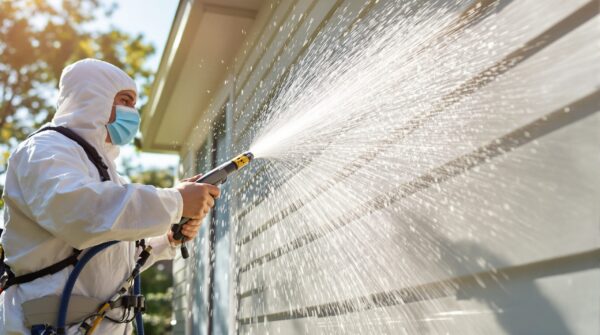
As a proud homeowner, I fully appreciate the importance of maintaining a clean and visually appealing property. Spring cleaning through low-pressure house washing serves as a remarkable strategy for eliminating layers of dirt, grime, and mould that accumulate on the exterior surfaces of your home, making it appear dull and uninviting. This is where the art of low-pressure house washing provides a refreshing solution! In this article, we will delve into the intricacies of low-pressure house washing, emphasising the numerous benefits it offers. Join me on this enlightening journey!
What is Low-Pressure House Washing and Why Is It Effective?
Low-pressure house washing, commonly known as soft washing, represents a safe and exceptionally effective cleaning technique for the exterior surfaces of your property. This method employs low water pressure combined with eco-friendly cleaning solutions, ensuring a thorough cleanse without risking any damage. Unlike high-pressure washing, which can harm delicate surfaces, low-pressure washing offers a gentle yet potent clean, effectively removing dirt, algae, mildew, and grime without jeopardising your siding, paint, or a variety of other materials. This technique excels particularly on vinyl, brick, and other sensitive surfaces, making it the preferred choice for comprehensive and safe cleansing.
Uncover the Benefits of Low-Pressure House Washing for Your Home
1. Protecting Your Home’s Integrity: The exterior of your property continuously faces elements such as sunlight, rain, and snow, which contribute to the accumulation of dirt, mould, and algae. Low-pressure house washing not only eradicates these harmful contaminants but also helps shield your home from potential damage that these organisms can cause over time.
2. Enhancing Your Home’s Curb Appeal: A clean and well-maintained exterior significantly boosts your home’s curb appeal. By opting for low-pressure house washing, you can restore the vibrant appearance of your siding, ensuring that your home stands out positively in the neighbourhood, attracting admiration from passersby.
3. Commitment to Environmental Sustainability: Embracing eco-friendly washing methods is vital for a sustainable future. Low-pressure house washing allows you to uphold a clean home while minimising your environmental impact, making it a responsible choice for conscientious homeowners.
4. Preserving the Integrity of Your Paint and Siding: High-pressure washing can strip away paint and damage siding, resulting in costly repairs. In contrast, low-pressure washing is gentle on surfaces, maintaining the integrity of your paint and siding while effectively removing contaminants.
5. Cultivating a Healthier Living Environment: Mould, mildew, and algae are known contributors to respiratory issues and allergies. By utilising low-pressure house washing, you can eliminate these allergens, fostering a healthier living environment for you and your family.
Why Should You Choose Professional Low-Pressure House Washing Services?
You may contemplate undertaking low-pressure house washing on your own. After all, how challenging could it be? However, let me share a personal experience that might influence your decision.
Once, I endeavoured to manage DIY low-pressure house washing with a rented pressure washer. Despite my best efforts, I couldn’t match the results achieved by a professional service. Stubborn stains and patches of algae were particularly troublesome. To complicate matters, I accidentally damaged a small section of my siding due to excessive pressure. This experience led me to seek a professional low-pressure house washing company.
By placing your trust in professionals, you gain access to their expertise, specialised equipment, and eco-friendly cleaning solutions. They are adept in employing the right techniques for each surface, ensuring a thorough and safe cleaning process. Furthermore, hiring professionals saves you valuable time! While they execute their magic, you can concentrate on other essential aspects of homeownership.
Essential Equipment for Effective Low-Pressure House Washing
- Low-Pressure Washer: This essential tool for low-pressure house washing features various nozzles to adjust water pressure as required for different surfaces.
- Eco-Friendly Cleaning Solutions: Biodegradable and environmentally safe cleaning solutions are utilised alongside the pressure washer to break down and eliminate dirt and grime.
- Soft Brushes: Soft brushes are specifically designed for delicate surfaces, ensuring a gentle yet effective cleaning process.
- Pump Sprayer: For targeted spot treatments, a pump sprayer filled with cleaning solution can be employed to address specific areas.
- Protective Safety Gear: Professionals utilise safety gear such as goggles and gloves to ensure their safety during the cleaning process.
What Different Low-Pressure House Washing Methods Are Available?
Having gained a solid understanding of low-pressure house washing, let us move forward to explore additional house washing methods in the following section. We will compare low pressure, high pressure, and soft washing techniques, discussing the advantages and disadvantages of each. Additionally, we will examine how soft washing effectively cleans delicate materials like vinyl and brick. Let’s continue our exploration of house washing!
Comparing Low-Pressure, High-Pressure, and Soft Washing Techniques: What Sets Them Apart?
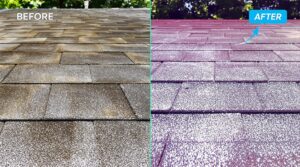 Welcome back to our exploration of revitalising your home through low-pressure house washing! Previously, we gained valuable insights into the benefits of low-pressure house washing. Now, we are ready to delve into the various house washing methods available to you. Each method comes with unique advantages and limitations, and by the end of this section, you will have a clearer perspective on which option best suits your needs.
Evaluating Low-Pressure, High-Pressure, and Soft Washing Techniques
When it comes to house washing, you primarily have three methods to consider:
1. Low-Pressure House Washing (Soft Washing):
- Pros:
- Gentle and safe for delicate surfaces such as vinyl, brick, and wood.
- Effectively eliminates dirt, algae, mould, and mildew without causing damage.
- Ideal for house siding, roofs, and various exterior surfaces.
- Cons:
- May not effectively tackle tough stains or grease.
My Personal Experience: Last year, I noticed some unsightly algae on my vinyl siding and was concerned about damaging it with high-pressure washing. Thus, I opted for low-pressure house washing. Not only did it successfully remove the algae, but it also restored the original colour and shine of the siding. I was thrilled with the outcome and have continued to utilise this method since.
2. High-Pressure House Washing:
- Pros:
- Powerful and effective for eliminating tough stains and grime.
- Ideal for concrete surfaces, driveways, and expansive areas with heavy buildup.
- Cons:
- Can damage delicate surfaces like siding and wood if not used correctly.
- Requires greater caution and expertise to avoid harming your property.
3. Why Are Soft Washing Companies Gaining Popularity?
- Growing Trend: Soft washing companies are gaining traction due to their mastery of low-pressure techniques combined with environmentally friendly cleaning solutions. They are equipped to handle diverse surfaces, ensuring a thorough yet safe cleaning experience.
Tip: Before selecting a soft washing company, always review customer feedback and testimonials to confirm their credibility and service quality.
Effectively Cleaning Delicate House Siding Materials Using Low-Pressure Techniques
Vinyl: Vinyl siding is a popular choice among homeowners for its low maintenance and versatility. However, it can accumulate dirt and algae over time, dulling its overall appearance. Soft washing presents an excellent cleaning solution for vinyl siding, effectively removing contaminants without causing damage or discolouration.
Brick: Brick exteriors add timeless charm to any home. Nevertheless, cleaning brick surfaces can be complicated, as high-pressure washing may erode the mortar. Soft washing offers an effective alternative, cleaning brick surfaces while preserving their structural integrity.
Implementing DIY House Washing Methods Safely and Effectively
If you are the adventurous type who enjoys tackling home projects, DIY house washing may sound appealing. However, before you start with a pressure washer, keep these essential safety tips in mind:
- Select the Appropriate Nozzle: Different surfaces require specific nozzle tips. For delicate surfaces, employ a wide-angle nozzle to reduce pressure.
- Maintain a Safe Distance: Ensure a distance of at least 2 feet from the surface while washing to prevent any damage.
- Conduct a Test in an Inconspicuous Area: Before proceeding with a comprehensive cleaning, test the pressure washer on a small, inconspicuous area to confirm it won’t harm the surface.
- Wear Protective Gear: Equip yourself with safety goggles, gloves, and non-slip footwear.
- Eco-Friendly Cleaning Solutions: Opt for biodegradable cleaning solutions to minimise your environmental impact.
- Know Your Limits: If you feel uncertain or uncomfortable with the process, it’s wise to leave it to the professionals.
By adhering to these tips, you can confidently undertake DIY house washing and achieve gratifying results.
Next Steps: Discovering Specialized Low-Pressure House Cleaning Services
Having explored various house washing methods, it’s time to uncover specialised house cleaning services. In the next section, we will delve into the significance of roof cleaning services and the benefits they provide. Additionally, we will discuss deck cleaning and staining options to enhance your outdoor spaces. Let’s continue our journey to unveil the secrets of specialised house cleaning services!
Specialised House Cleaning Services: Enhancing Roofs, Decks, Cars, Windows, and Gutters
Welcome back to our enlightening journey of revitalising your home with low-pressure house washing! Previously, we examined different house washing methods and their respective pros and cons. Now, we will explore specialised house cleaning services that cater to specific areas of your home, providing them with the tender loving care they deserve. We will uncover the critical benefits of roof cleaning services, enhance your outdoor space with deck cleaning and staining, achieve a sparkling vehicle through car washing services, enjoy crystal-clear views with window cleaning, and ensure the longevity of your property through gutter cleaning and maintenance.
Roof Cleaning Services: Understanding Their Importance and Benefits
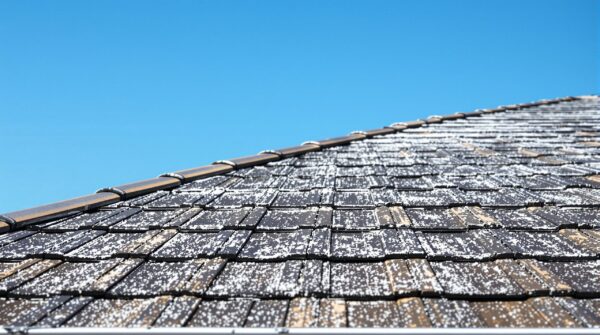 Your roof serves as a vital component of your home, offering protection from the elements. However, it is also susceptible to the accumulation of dirt, algae, moss, and other contaminants over time. Neglecting roof cleaning can lead to serious consequences, including costly repairs and a reduced lifespan for your roof.
Why is Roof Cleaning Essential?
- Preventing Structural Damage: Moss and algae growth can jeopardise your roof’s integrity, leading to leaks and water damage.
- Extending Roof Lifespan: Regular roof cleaning can prolong the life of your roof, saving you money in the long term.
- Enhancing Curb Appeal: A clean and well-maintained roof significantly boosts the overall appearance of your home.
The Benefits of Professional Roof Cleaning Services:
- Professional Expertise: Roof cleaning companies possess the experience and equipment necessary to effectively and safely clean your roof.
- Eco-Friendly Cleaning Solutions: Many roof cleaning services utilise biodegradable options that are safe for the environment.
- Avoiding DIY Risks: Roof cleaning can be hazardous without the right safety gear and training. Leave it to the professionals to minimise potential risks.
My Personal Experience: I learned the importance of roof cleaning the hard way. A few years ago, I noticed a persistent leak in my bedroom during heavy rain. Upon inspection, I discovered the culprit was a buildup of moss and algae on my roof. I reached out to a roof cleaning service, and they not only resolved the leak but also cleaned my entire roof. Since then, I have scheduled regular roof cleanings to prevent future issues.
Deck Cleaning and Staining: Transforming Your Outdoor Space
Your deck serves as a versatile area for relaxation, entertainment, and outdoor activities. However, constant exposure to the elements can significantly impact its appearance and structural integrity. This is where deck cleaning and staining become essential.
Deck Cleaning:
- Eliminating Dirt and Stains: Quality deck cleaning effectively removes dirt, grime, and tough stains, restoring your deck’s original beauty.
- Preventing Mold and Mildew: Regular cleaning helps prevent the growth of mould and mildew, protecting your deck’s surface.
- Health and Safety: Cleaning your deck reduces the risk of slips and falls caused by slippery surfaces.
Deck Staining:
- Enhancing Aesthetics: Staining your deck not only adds colour but also highlights the natural beauty of the wood.
- UV Protection: Stains with UV protection shield the wood from sun damage and fading.
- Water Resistance: Stains with water-repellent properties safeguard your deck against moisture, preventing rot and decay.
My Personal Experience: My deck had seen better days. The wood had faded, and there were visible signs of mildew. Initially, I attempted to clean the deck myself. While it looked better, I wasn’t entirely satisfied with the outcome. That’s when I realised the value of professional deck cleaning and staining. I hired a local deck restoration company, and they transformed my deck into a stunning outdoor space. Since then, I have fully enjoyed my deck.
Addressing Common House Cleaning Challenges: Tackling Mould, Rust, Algae, Graffiti, and Allergens
As we continue our journey of revitalising your home through low-pressure house washing, it’s crucial to address common house cleaning challenges that can arise over time. From pesky mould and rust to stubborn algae and graffiti, we will explore effective removal and prevention strategies to keep your home looking fresh and clean. Moreover, we will discuss how house washing can enhance indoor air quality, ultimately reducing allergens and creating a healthier living space.
Mould and Mildew Cleaning: Effective Removal and Prevention Techniques
Mould and mildew can be a homeowner’s worst nightmare, especially in damp and humid environments. Not only do they detract from your home’s aesthetics, but they can also pose health risks, particularly for individuals with respiratory issues.
Effective Mould and Mildew Removal:
- Cleaning Solutions: Utilise eco-friendly cleaning solutions that possess mould-fighting properties for effective removal.
- Safety Precautions: Wear protective gear like gloves and masks when dealing with mould, and ensure proper ventilation during the cleaning process.
- Prevention Strategies: Address moisture issues within your home to prevent the recurrence of mould and mildew.
Tip: Keep your bathroom well-ventilated and dry, promptly fix leaks, and utilise a dehumidifier in damp areas to deter mould growth.
Rust Stain Removal Using Low-Pressure Washing Techniques
Rust stains on your exterior surfaces can be unsightly and challenging to eliminate. Low-pressure washing techniques offer a gentle yet effective solution for tackling rust.
Effective Rust Removal:
- Oxalic Acid Treatment: Use an oxalic acid-based cleaning solution to effectively break down rust stains.
- Gentle Pressure Washing: Low-pressure washing with the appropriate nozzle can safely remove rust without harming the surface.
- Surface Sealing: After rust removal, consider applying a sealant to protect the surface from future rust formation.
My Experience: I once had an old metal railing on my porch that was plagued by rust stains. After attempting various DIY remedies without success, I sought help from a professional low-pressure washing service. They utilised an oxalic acid treatment combined with low-pressure washing, and the results were astounding. My railing looked brand new, and they even sealed the surface to prevent future rust.
Algae and Moss Removal from Decks, Siding, and Driveways
Algae and moss often thrive on your outdoor surfaces, especially in shaded and damp areas. They not only create slippery surfaces but also contribute to the degradation of your property.
Effective Algae and Moss Removal:
- Soft Washing Techniques: Soft washing is ideal for delicate surfaces like decks and siding, effectively removing algae and moss without causing damage.
- Biodegradable Algaecides: Consider employing biodegradable algaecides to treat affected areas and prevent future growth.
- Regular Cleaning Maintenance: Implement regular cleaning routines to discourage algae and moss from establishing themselves.
Tip: Trim overhanging trees and bushes to reduce shade and moisture, which will help prevent the growth of algae and moss.
Strategies for Graffiti Removal: Restoring Your Home’s Pristine Exterior
Graffiti can be frustrating and detrimental to your home’s curb appeal. Prompt removal is crucial to maintaining a pristine exterior.
Effective Graffiti Removal:
- Pressure Washing with Care: Utilise low-pressure washing and appropriate cleaning agents to eliminate graffiti without damaging the underlying surface.
- Anti-Graffiti Coatings: Consider applying anti-graffiti coatings to simplify future removal.
- Timely Removal: Remove graffiti as soon as possible to prevent it from becoming a target for further vandalism.
My Experience: After discovering graffiti on my fence following a neighbourhood event, I knew immediate action was essential to deter further vandalism. I contacted a professional house washing company specialising in graffiti removal. They employed low-pressure washing combined with an anti-graffiti cleaner, restoring my fence to its original state. Subsequently, I chose to apply an anti-graffiti coating to safeguard against future incidents.
House Washing to Alleviate Allergies: Reducing Allergens and Enhancing Indoor Air Quality
Allergens can be a nightmare for those affected by allergies, triggering uncomfortable symptoms like sneezing and wheezing. House washing plays a vital role in reducing indoor allergens.
House Washing for Allergen Reduction:
- Dust and Dirt Removal: Regularly washing exterior surfaces eliminates dust and dirt that can be tracked into your home.
- Mould and Mildew Prevention: Proper house washing prevents the growth of mould and mildew, reducing potential allergens.
- Improved Indoor Air Quality: By minimising outdoor allergens, house washing can contribute to enhanced indoor air quality.
Tip: Consider using eco-friendly and biodegradable cleaning solutions during house washing, as they are less likely to trigger allergic reactions.
As we tackle these common house cleaning challenges, we lay the groundwork for a cleaner, healthier, and more visually appealing home. Yet, our journey does not end here! In the next section, we will delve into the diverse residential and commercial applications of low-pressure house washing, unlocking its full potential for various properties and surfaces. Let’s continue to explore the benefits of low-pressure house washing!
Residential and Commercial Applications of Low-Pressure House Washing: Elevating Properties Inside and Out
As we approach the conclusion of our exploration into low-pressure house washing, we enter the final section focused on the diverse applications of this cleaning technique. From enhancing curb appeal and property value to maintaining commercial spaces, low-pressure house washing showcases its versatility and effectiveness.
Benefits of Low-Pressure House Washing for Residential Properties
When it comes to residential properties, low-pressure house washing offers a myriad of advantages, making it an appealing option for homeowners.
Enhancing Curb Appeal:
- Removal of Grime and Stains: Low-pressure house washing efficiently eliminates dirt, grime, and stains, leaving your home looking fresh and well-maintained.
- Restoring Exterior Surfaces: It revitalises siding, decks, driveways, and other outdoor features, making them look as good as new.
- Increasing Property Value: A well-maintained home with improved curb appeal can significantly elevate its market value.
Tip: Consider incorporating low-pressure house washing as part of your pre-listing preparations if you plan to sell your home.
How Low-Pressure Washing Contributes to Property Value:
The value of a property is closely tied to its curb appeal. Low-pressure house washing can directly influence your property’s value.
Attractive Exterior:
- Aesthetic Appeal: A clean and well-maintained exterior boosts the overall attractiveness of your property.
- Longevity of Surfaces: Regular low-pressure washing helps prolong the life of your siding, decks, and other exterior surfaces.
- Positive First Impression: A well-maintained home creates a favourable first impression on potential buyers and visitors.
My Personal Experience: When I decided to sell my house, I recognised the need to present it in the best light. A friend suggested low-pressure house washing, and I was astounded by the transformation. The siding appeared fresh, and the driveway stains vanished. It made a remarkable difference in the property’s appeal, leading to multiple offers within a short time.
House Washing Safety Tips: Protecting Yourself and Your Home
While low-pressure house washing is generally safe, adhering to safety guidelines is crucial to safeguard yourself and your property.
Safety Precautions:
- Wear Protective Gear: Always don appropriate safety gear, including goggles, gloves, and closed-toe shoes, to protect yourself from debris and cleaning agents.
- Use Sturdy Ladders: If accessing higher areas, utilise sturdy ladders equipped with slip-resistant feet.
- Avoid Electric Hazards: Keep electrical outlets and power sources away from water to prevent electrical accidents.
Tip: If you are uncertain about using low-pressure house-washing equipment, hiring a professional is the safest option to ensure a secure cleaning process.
Power Washing Tips for Effectively Tackling Tough Stains and Grime
When executed correctly, power washing can effectively tackle tough stains and grime, rejuvenating your property.
Effective Power Washing:
- Selecting the Right Nozzle: Different nozzle types provide varying pressure levels, so choose the appropriate one based on the task at hand.
- Testing on a Small Area: Before power washing a larger surface, it’s wise to test the pressure on a small, inconspicuous area to prevent potential damage.
- Proper Angle and Distance: Maintain the power washer nozzle at a suitable angle and keep a safe distance from the surface to avoid damage.
My Personal Experience: Our backyard patio had accumulated years of grime and stains, making it look uninviting. We rented a power washer and quickly learned the importance of using the right nozzle while keeping the correct distance. Once we got the hang of it, the patio was revitalised, allowing us to enjoy our outdoor space once again.
Commercial Cleaning Applications: Effective Cleaning for Sidewalks, Outdoor Furniture, and More
Low-pressure house washing extends beyond residential properties, proving highly effective for commercial cleaning applications.
Versatile Cleaning Solutions:
- Sidewalk Cleaning: Low-pressure house washing can restore sidewalks, ensuring they are safe and inviting for pedestrians.
- Outdoor Furniture: Clean and freshen outdoor furniture in commercial spaces, enhancing the customer experience.
- Building Exteriors: Maintain commercial buildings looking professional and well-maintained through regular low-pressure washing.
Tip: Commercial properties benefit from periodic low-pressure house washing to maintain a welcoming and attractive appearance.
As we wrap up our thorough exploration of low-pressure house washing, we have uncovered its various applications, benefits, and safety measures. From understanding the importance of professional services to tackling common cleaning challenges, this journey has equipped us with valuable insights for maintaining a clean and inviting home.
In Summary:
- Section 1: Understanding low-pressure house washing and its eco-friendly benefits.
- Section 2: Comparing different house washing methods and implementing DIY techniques safely.
- Section 3: Exploring specialised house cleaning services like roof, deck, and car washing.
- Section 4: Addressing common house cleaning challenges, such as mould, rust, algae, and graffiti removal.
- Section 5: Unveiling the diverse residential and commercial applications of low-pressure house washing.
By applying the knowledge acquired from this series, you can transform your home’s appearance and protect it from the damaging effects of dirt and grime. Remember, whether sprucing up your house for personal enjoyment or preparing it for sale, low-pressure house washing stands as a reliable ally in your quest for a cleaner and more vibrant home.
Visit our Website at Housewash PA, Click Here
The Article Spring Cleaning With Low-Pressure House Washing was first published on https://marketing-tutor.com
The Article Low-Pressure House Washing for Spring Cleaning Was Found On https://limitsofstrategy.com