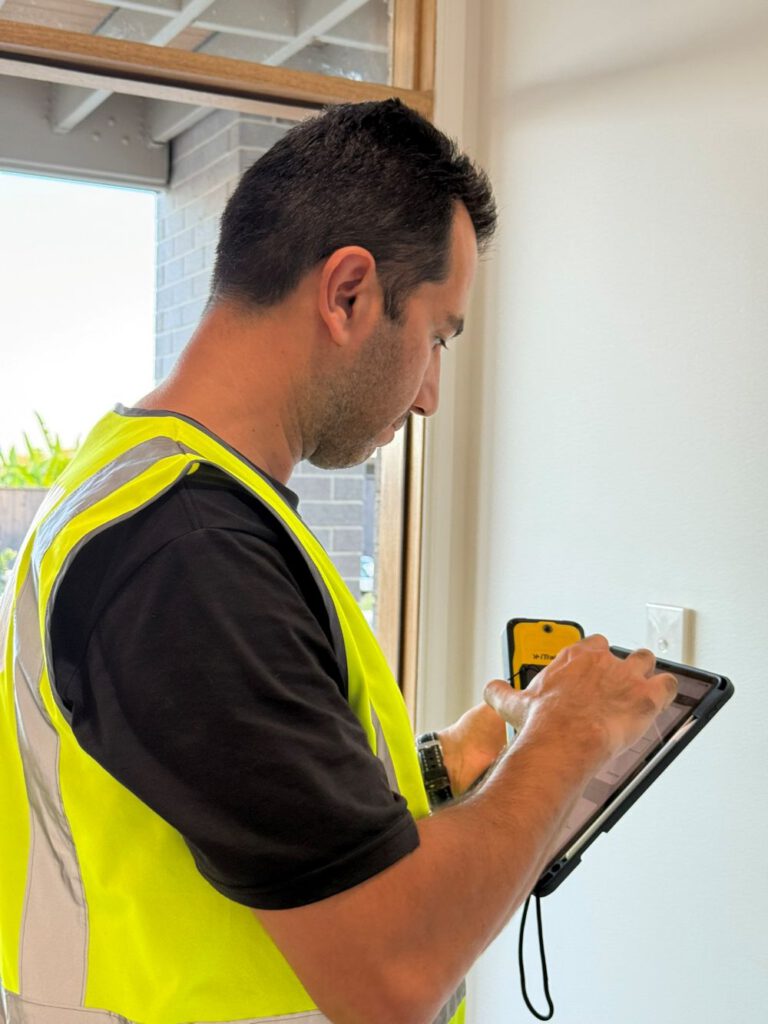
When embarking on a construction project, extension, or any task that entails excavation or demolition, obtaining a dilapidation report represents a crucial protective step. Our extensive inspections across Brisbane have highlighted a recurring issue: after the project concludes, a neighbour may suddenly discover a cracked cornice or a minor fissure in their garage slab, and you could be expected to shoulder the repair costs.
In essence: a dilapidation report acts as a dated, photographic record of the state of neighbouring properties before your project commences. In the event of a damage claim later on, this report clearly delineates any pre-existing issues, safeguarding you from financial liability for damages not attributable to your work.
At Zoom Building & Pest, we are a QBCC-licensed inspection company (QBCC licence 15279880) serving Brisbane and the Moreton Bay region. This article explores the role of these reports, their key elements, and the ideal timing for securing one.
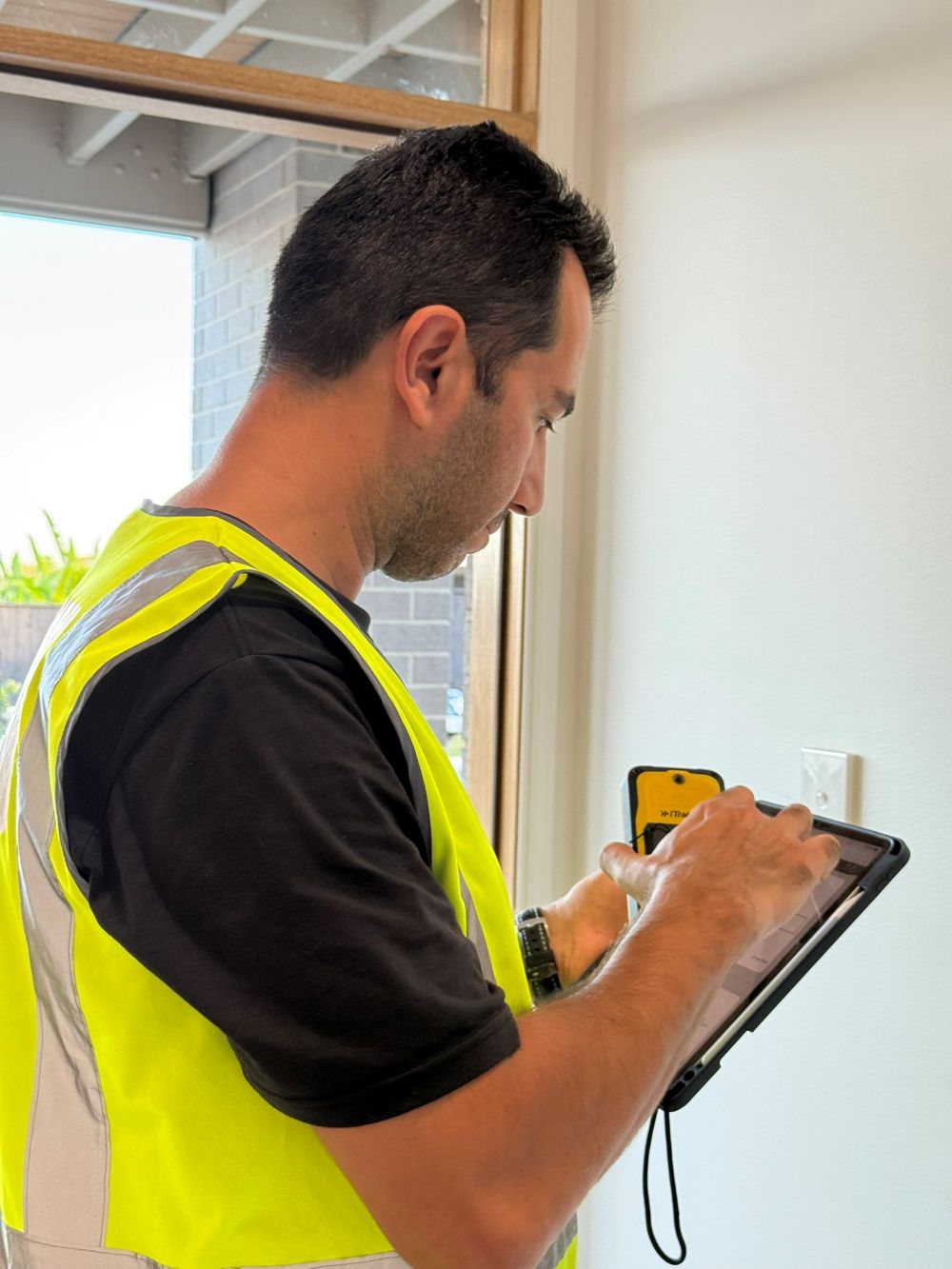
What Is the Purpose of a Dilapidation Report?
A dilapidation report offers a detailed assessment of a property's condition before any construction or renovation begins. It identifies potential conflict areas, such as cracks in walls and ceilings, shifts in slabs and driveways, and damage to fences, retaining walls, and walkways. This evaluation is supported by date-stamped photographs, written observations, and sometimes simple diagrams for larger sites.
The significance of a dilapidation report escalates when working near existing structures. Activities like excavation, piling, demolition, and the operation of heavy machinery can cause ground vibrations. This often leads neighbours to claim that pre-existing damage resulted from your project. Essentially, the report serves as your pre-construction documentation.
Why Are Dilapidation Reports Essential for Builders and Homeowners in Brisbane?
How Can It Shield You from Unfair Damage Claims?
Constructing close to property boundaries invariably induces some level of movement or vibration. Without a baseline record, disputes can arise, leading to a he-said-she-said scenario with your neighbour. A dilapidation report enables you to prove that any cracks were present prior to your work, often resolving the issue before it escalates into a formal claim or a QCAT dispute.
How Does It Help Avoid Legal Disputes?
Dilapidation reports provide reliable, independent evidence. If a disagreement arises, having clear before-and-after documentation can resolve most issues quickly and informally, preventing you from becoming embroiled in a legal confrontation that could delay your project and reduce your profits.
How Does It Fulfil Council and Insurer Requirements?
For projects affecting neighbouring properties or public infrastructure, Brisbane councils frequently require a dilapidation report as a condition for approval, particularly in densely populated, heritage, or tightly constructed areas. Some insurance providers may also require one during the underwriting process for construction projects. Neglecting to obtain a report can lead to project approval delays or complicate future claims.

What Are the Key Elements of a Dilapidation Report?
A comprehensive dilapidation report includes more than just a series of photographs. Our reports detail the property address, inspection date, the entity commissioning the report, and a description of the proposed works. It also specifies which areas were inspected and which were omitted. The report consists of:
- Date-stamped photographs — featuring both wide-angle and close-up images of interiors, exteriors, driveways, fences, and shared boundaries, with each image clearly labelled and cross-referenced to written notes.
- Written observations — precise descriptions such as “hairline crack in lounge wall beside window” or “minor sinking at driveway edge.”
- Diagrams where necessary — simple sketches to clarify locations on larger or more complex sites.
- Site conditions — information regarding weather and lighting during the inspection, which is vital for outdoor features.
- Inspector details — qualifications and licence numbers, ensuring the report is credible for legal or insurance purposes.
When Should You Schedule a Dilapidation Report?
As a general rule, arrange a dilapidation report before any activity that disturbs the ground or may shake adjacent structures:
- Prior to excavation or earthworks — digging, piling, and large-scale earthworks present the highest risk for damage to neighbouring properties.
- Before demolition — even minor vibrations can impact nearby buildings; a report confirms the condition of adjacent structures before any walls are removed.
- In heritage or densely built neighbourhoods — older buildings and shared walls often come with stricter regulations and increased scrutiny.
- When required by the council or a developer — if obtaining a dilapidation report is a prerequisite for approval, your project may face delays without it.

What Is Our Process for Preparing a Dilapidation Report?
Our approach is both straightforward and efficient. You inform us of the scope of work and the properties requiring documentation, and we provide a quote based on the size and complexity of the site. We then conduct a thorough inspection of the existing conditions, which usually takes one to two hours for a residential property. Following this, we deliver a detailed written report complete with photographs that you can present to your builder, insurer, or council. Typically, you can expect the report within one to two business days. With this documentation in hand, you can begin your project with confidence, knowing your position is well-documented.
Case Study: How a Dilapidation Report Offers Protection
A homeowner in Brisbane arranged for a dilapidation report prior to initiating work on a two-storey extension. Months later, the neighbour reported a crack in their garage wall, claiming it was due to the construction. The report clearly documented the same crack, complete with photographs and timestamps, predating any work on site. The claim was dismissed — no disputes arose, no repair costs incurred, and no liability was assigned. This example illustrates the primary advantage: a modest initial investment can eliminate the risk of expensive disputes later.
Frequently Asked Questions About Dilapidation Reports
Zoom Building & Pest Inspections is operated by Ben Nejad of B N Total Construction Pty Ltd — a QBCC-licensed building and pest inspection company (QBCC licence 15279880) serving Brisbane and the Moreton Bay region. For a dilapidation report or a building and pest inspection, call 0481 826 856 or request a quote through our website.
Original Article First Published At: How Dilapidation Reports Protect You from Liability During Renovations or Construction Projects
The Article: Dilapidation Reports: Safeguarding You From Liability in Renovations first appeared on https://writebuff.com
The Article Dilapidation Reports: Protecting You From Renovation Liability Was Found On https://limitsofstrategy.com
The Article Dilapidation Reports: Safeguarding Against Renovation Risks found first on https://electroquench.com