Implement Proven Strategies for Successful Cholesterol Management in the UK
What Key Factors Impact Cholesterol Levels for UK Residents?

Why Is My Cholesterol High Even If I Eat Healthy? In the UK, a multitude of lifestyle choices and genetic factors significantly shape cholesterol levels. The NHS emphasises the necessity of adhering to a balanced diet abundant in fruits, vegetables, and whole grains. Research suggests that populations practising traditional Mediterranean diets, which have gained traction in the UK, often display lower cholesterol levels. Nevertheless, elements such as genetic predisposition can complicate this situation. The prevalence of familial hypercholesterolemia in the UK exemplifies that certain individuals may struggle to manage high cholesterol despite adhering to what they perceive as a healthy diet. This genetic condition can result in elevated cholesterol levels that lifestyle modifications alone might not rectify.
Moreover, socioeconomic factors play a significant role in cholesterol management. Research indicates that individuals from lower-income backgrounds frequently encounter barriers to accessing healthy foods, leading to diets high in processed foods and saturated fats, which can negatively impact their cholesterol levels. Public health initiatives aim to address these inequalities by promoting nutritional education and subsidising healthy food options in disadvantaged communities. By recognising and understanding these varied influences, residents across the UK can make informed dietary choices tailored to their unique circumstances, ultimately enhancing their overall health and well-being.
How Does Age Affect Cholesterol Levels Among British Adults?
As individuals in the UK advance in age, they typically experience an increase in cholesterol levels, mainly due to metabolic changes and a reduced capacity to clear cholesterol from the bloodstream. The NHS recommends that adults aged 40 and above undergo routine cholesterol checks every five years to monitor these inevitable alterations. For instance, a 60-year-old may naturally exhibit higher cholesterol levels compared to a 30-year-old, even if their dietary habits remain similar. This highlights the necessity for age-appropriate lifestyle modifications and regular consultations with healthcare professionals to ensure effective management of cholesterol levels.
To counteract rising cholesterol, older adults are often encouraged to enhance their physical activity, which can aid in maintaining healthy cholesterol levels. Simple lifestyle adjustments, such as taking daily walks or joining local exercise groups, can lead to significant improvements in overall health. Additionally, dietary changes, such as increasing fibre intake through greater consumption of fruits, vegetables, and whole grains, are essential for this demographic. An active and proactive approach that includes regular health screenings and tailored lifestyle modifications can greatly alleviate age-related increases in cholesterol levels.
Key Dietary Components to Prioritise for Cholesterol Management in the UK
In the UK, certain diets high in saturated fats can considerably influence cholesterol levels. Common sources include traditional British fare, such as pastries, full-fat dairy products, and fatty cuts of meat. The NHS advises individuals to closely monitor these dietary components to manage their cholesterol effectively. It is crucial for people to understand the nutritional makeup of their meals and implement necessary changes. For example, substituting full-fat milk with semi-skimmed alternatives can substantially decrease saturated fat intake while still providing vital nutrients.
- Oats: These are rich in soluble fibre, which is known for its cholesterol-lowering properties.
- Fatty fish: Varieties such as mackerel and salmon are packed with omega-3 fatty acids, which can positively influence cholesterol levels.
- Nuts and seeds: These serve as excellent sources of healthy fats that promote heart health.
- Legumes: Beans and lentils are high in fibre and low in saturated fats.
- Fruits and vegetables: These are rich in fibre and antioxidants, contributing to overall health.
Incorporating these dietary components into daily meals can significantly bolster heart health. Furthermore, understanding portion sizes is crucial; even healthy foods can lead to weight gain if consumed excessively. The NHS provides guidelines on serving sizes to assist individuals in making informed dietary choices that support effective cholesterol management.
The Critical Importance of Physical Activity in Cholesterol Management for UK Residents

Physical activity stands as a fundamental pillar in managing cholesterol levels across the UK. Regular exercise has been proven to elevate high-density lipoprotein (HDL) levels, often referred to as the “good” cholesterol, while reducing low-density lipoprotein (LDL) levels, known as the “bad” cholesterol. Public Health England advocates that adults engage in a minimum of 150 minutes of moderate-intensity aerobic activity each week, such as brisk walking or cycling. Participating in these activities not only aids in cholesterol management but also enhances overall cardiovascular health.
Incorporating physical activity into everyday life can be quite straightforward. For instance, individuals might choose to walk or cycle to work instead of relying on public transport or driving, seamlessly blending exercise into their daily routines. Community initiatives, such as local walking clubs or fitness classes, provide fantastic opportunities for social interaction while prioritising health. Additionally, the NHS frequently organises local events to encourage physical activity among residents, making it easier for individuals to remain active and engaged.
What Role Does Diet Play in Contributing to High Cholesterol Levels in the UK?
Why Might Healthy Eating Not Effectively Reduce Cholesterol Levels?
Despite a firm commitment to healthy eating, numerous UK residents find their cholesterol levels persistently high. This challenge often arises from hidden trans fats and other unhealthy components present in seemingly healthful snacks, including certain low-fat products and packaged foods marketed as ‘healthy’. For instance, many granola bars and low-fat snacks frequently contain elevated levels of added sugars and unhealthy oils that can undermine dietary efforts.
Moreover, individual responses to dietary changes can vary widely, influenced by factors such as genetics and metabolic responses. Some individuals may witness minimal reductions in cholesterol levels, even after adopting a healthy diet, due to genetic predispositions that necessitate more tailored dietary interventions. Acknowledging these intricacies empowers individuals to seek more personalised dietary advice rather than relying solely on broad dietary guidelines that may not lead to the desired results.
What Role Do UK-Specific Foods Have in Cholesterol Control?
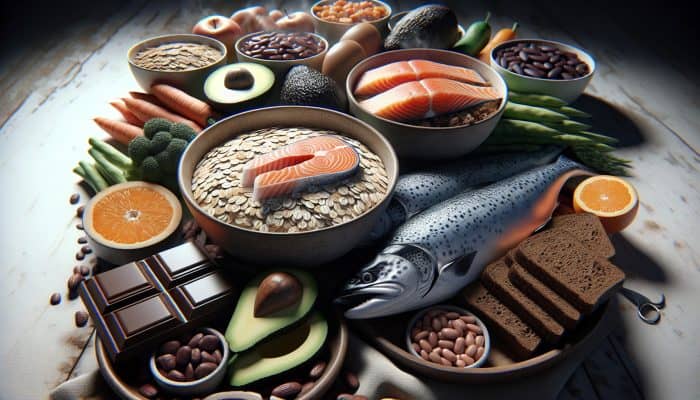
Foods native to the UK can play a crucial role in managing cholesterol levels. For instance, oats, a staple in many British breakfasts, are rich in beta-glucans, a type of soluble fibre that aids in lowering LDL cholesterol. Similarly, locally sourced fatty fish such as salmon and mackerel are abundant in omega-3 fatty acids, which have shown to support heart health and lower cholesterol levels.
- Wholegrain bread: A healthier alternative that can contribute to lowering cholesterol.
- Avocados: These are filled with healthy fats that can support cholesterol management.
- Beans and lentils: Excellent sources of fibre that assist in controlling cholesterol levels.
- Vegetables such as broccoli and carrots: These are high in fibre and low in calories, making them ideal for heart health.
- Dark chocolate: When consumed in moderation, it can provide beneficial antioxidants for heart health.
Incorporating these foods into daily meals can be both simple and rewarding. It is crucial to monitor portion sizes, as moderation is key to achieving the desired health outcomes. By making informed food choices, UK residents can better manage their cholesterol while enjoying a varied and satisfying diet that supports their overall health.
Common Misunderstandings Surrounding Diet and Cholesterol in Britain
A prevalent misconception in the UK is that low-fat diets are sufficient for managing cholesterol levels. Many individuals mistakenly believe that simply reducing fat intake will lower cholesterol, overlooking the significance of the type of fat consumed and other dietary factors, such as sugar and processed foods. Research indicates that some individuals can maintain elevated cholesterol levels despite adhering to low-fat diets, primarily due to high sugar intake or the consumption of processed foods laden with unhealthy fats.
Additionally, there is a widespread belief that dietary cholesterol directly impacts blood cholesterol levels. While dietary cholesterol does have some effect, the liver produces most of the body’s cholesterol, and the type of fats consumed plays a more critical role in influencing overall cholesterol levels. These misconceptions can lead to unrealistic expectations about diet and cholesterol reduction, highlighting the need for a deeper understanding of the complex relationship between diet and cholesterol management.
How Can Portion Control in Traditional British Meals Support Cholesterol Management?
Practising portion control is essential for managing cholesterol, particularly with traditional British meals, which are often rich and calorie-dense. For instance, a typical Sunday roast, while enjoyable, can contain high levels of saturated fats, especially from sources such as roast potatoes cooked in animal fats and generous servings of gravy. The NHS recommends that individuals be mindful of portion sizes and aim to fill half their plates with vegetables, which can help balance meals and reduce overall calorie intake.
- Use smaller plates: This can help regulate portion sizes without inducing feelings of deprivation.
- Fill half your plate with vegetables: Increasing vegetable intake can help reduce fat consumption.
- Limit rich sauces: Opt for herbs and spices for flavour instead.
- Practice mindful eating: Taking time to savour meals can reduce the likelihood of overeating.
- Replace high-fat ingredients with alternatives such as olive oil instead of butter.
By adopting these strategies, individuals can enjoy their favourite traditional meals while effectively managing their cholesterol levels. It is all about achieving a balance that allows for enjoyment without compromising health.
What Impact Do Processed Foods Have on Cholesterol Levels in the UK?
Processed foods present a significant challenge for managing cholesterol levels in the UK. Many products available in British supermarkets, such as ready meals, snacks, and baked goods, often contain hidden saturated fats and trans fats, which can substantially elevate LDL cholesterol levels. For instance, a popular brand of biscuits may contain partially hydrogenated oils, contributing to unhealthy cholesterol profiles and increasing cardiovascular risk.
Research indicates that diets high in processed foods correlate with increased cholesterol levels and a higher risk of cardiovascular diseases. The convenience of these products often leads to overconsumption, as they are typically marketed as quick, easy meal solutions. However, individuals can make healthier choices with some effort by opting for whole foods, such as fruits, vegetables, whole grains, and lean proteins, which are more beneficial for cholesterol management and overall health.
- Choose whole foods: Fresh fruits and vegetables provide essential nutrients without added fats.
- Read labels: Look for low saturated fat and no trans fats in processed items.
- Cook at home: Preparing meals allows for greater control over ingredients and portion sizes.
- Limit sugary snacks: Opt for healthier alternatives like nuts or fruit.
- Explore local markets: Fresh produce often offers healthier, seasonal options that are better for cholesterol management.
Expert Insights on Efficient Cholesterol Level Management in the UK
How Do Genetic Factors Contribute to Cholesterol Issues in the UK Context?
Genetic predispositions significantly impact cholesterol management in the UK, especially in cases of familial hypercholesterolemia, which affects approximately 1 in 250 individuals. This genetic condition leads to drastically elevated cholesterol levels that are challenging to control through dietary modifications alone. Individuals suspected of having this genetic condition are advised by the NHS to undergo genetic testing and consultations with specialists to develop customised management strategies.
Understanding one’s genetic background is crucial for effective cholesterol management. Individuals with a family history of heart disease should seek regular check-ups and engage in discussions regarding their cholesterol levels with healthcare providers. Genetic factors can also influence how the body processes specific fats and cholesterol, making it essential to adapt dietary approaches based on individual needs rather than relying on generic guidelines. Genetic screening can also help identify those at risk and prompt early intervention, which is vital for preventing cardiovascular diseases.
What Lifestyle Changes Do UK Health Experts Recommend?
Healthcare experts in the UK endorse a comprehensive approach to managing high cholesterol, advocating for a combination of dietary modifications and increased physical activity. NICE guidelines emphasise the significance of a heart-healthy diet rich in fruits, vegetables, whole grains, and healthy fats, alongside regular exercise to enhance cardiovascular health. For instance, individuals might adopt a routine that incorporates 30 minutes of moderate activity each day, such as brisk walking, cycling, or swimming, all contributing to improved cholesterol management.
Real-world examples of successful interventions include community health programmes aimed at lowering cholesterol levels. Some local councils in the UK have initiated programmes that provide resources and support for individuals seeking to enhance their health through diet and exercise. These initiatives often feature cooking demonstrations, fitness classes, and health screenings, showcasing the effectiveness of community support in facilitating lasting lifestyle changes that lead to improved health outcomes.
What Monitoring Strategies Should Be Implemented in the UK for Cholesterol Management?
Regular monitoring of cholesterol levels is essential for effective management, and the NHS advises that adults over 40 should have their cholesterol checked every five years. This is particularly critical for individuals with risk factors, such as obesity, diabetes, or a family history of heart disease. Monitoring can involve blood tests to evaluate cholesterol levels and regular consultations with healthcare professionals to review results and adjust management strategies as needed.
UK residents should also consider using home testing kits, which offer a convenient method to track cholesterol levels between doctor visits. Interpreting these results can be complex, so consulting with a healthcare provider to understand their implications and modify lifestyle choices accordingly is advisable. Consistent monitoring enables individuals to observe the effects of dietary changes and exercise, reinforcing positive behaviours and motivating continued progress in managing cholesterol effectively.
Identifying Common Causes of High Cholesterol in the UK
Why Is Physical Inactivity a Contributing Factor in British Lifestyles?
Physical inactivity plays a significant role in the rising cholesterol levels seen in the UK, primarily due to the sedentary lifestyles prevalent in contemporary society. Many individuals spend extended periods seated at desks or commuting, which can lead to increased cholesterol levels, even among those who maintain a seemingly healthy diet. The NHS has raised concerns that the prevalence of physical inactivity correlates with rising rates of obesity and associated health conditions.
To combat this issue, Public Health England encourages individuals to integrate physical activity into their daily routines. Simple adjustments, such as opting for the stairs instead of the lift or taking short walks during breaks, can significantly enhance overall activity levels. Community resources, including local walking groups or fitness challenges, provide extra motivation and social interaction while promoting a more active lifestyle. By addressing physical inactivity, UK residents can improve their overall health and better manage their cholesterol levels.
How Does Stress Influence Cholesterol Levels in the UK?
Stress is a significant factor influencing cholesterol levels in the UK, especially in high-pressure environments typical of urban life. Stress can lead to unhealthy coping mechanisms, such as increased consumption of high-fat, high-sugar comfort foods, adversely affecting cholesterol levels. Moreover, chronic stress is known to trigger hormonal responses that can directly elevate cholesterol levels, worsening overall health outcomes.
To mitigate these effects, UK residents can explore various coping strategies tailored to their cultural context. Practices such as mindfulness, yoga, and physical activity are effective for managing stress and maintaining healthy cholesterol levels. Local mental health resources often provide workshops and support groups, encouraging individuals to find healthy outlets for stress relief. By prioritising mental well-being, individuals in the UK can enhance their overall health, including their efforts to manage cholesterol effectively.
What Impact Does Smoking Have on Cholesterol in the UK?
Smoking remains a significant issue for certain demographics in the UK, exacerbating cholesterol profiles and increasing cardiovascular risk. Research indicates that smokers often exhibit lower levels of HDL cholesterol, the type that aids in removing LDL cholesterol from the bloodstream. Additionally, smoking leads to arterial damage, facilitating the accumulation of cholesterol in arteries, which can result in severe health complications.
To address this issue, the NHS offers a variety of cessation support programmes designed to assist individuals in quitting smoking. These programmes typically include counselling, nicotine replacement therapies, and access to support groups, all of which have proven effective in helping individuals break the habit. By recognising smoking as a critical factor in managing cholesterol levels, UK residents can significantly reduce their risk of heart disease and improve their overall health outcomes.
What Are the Health Risks Associated with Untreated High Cholesterol?
How Can High Cholesterol Lead to Heart Disease in the UK?
Untreated high cholesterol can significantly increase the risk of developing heart disease, particularly conditions such as coronary artery disease, which remains a leading cause of death in the UK. Elevated LDL cholesterol levels can result in plaque formation within the arteries, narrowing them and restricting blood flow. Over time, this can lead to severe complications, including heart attacks and strokes, making it crucial for individuals to proactively manage their cholesterol levels.
The British Heart Foundation stresses the importance of managing cholesterol levels as a preventive measure against heart disease. Individuals with high cholesterol should closely monitor their levels and take proactive steps to lower them through lifestyle modifications, such as adopting a heart-healthy diet and increasing physical activity. Regular screenings and consultations with healthcare providers can facilitate early detection of potential issues, allowing for timely interventions that can save lives and promote long-term health outcomes.
What Symptoms Should UK Residents Be Aware Of?
Regrettably, high cholesterol often presents no obvious symptoms, leading to its classification as a “silent condition.” However, subtle signs may indicate underlying issues, prompting individuals to seek medical advice. Common indicators include fatigue, chest pain, and shortness of breath, particularly during exertion. These symptoms may signal that the heart is struggling to function optimally due to blocked arteries, necessitating prompt medical attention.
- Fatigue: Unexplained tiredness may indicate reduced blood flow.
- Chest pain: Discomfort or pain in the chest could signal heart issues that require evaluation.
- Shortness of breath: Difficulty breathing during physical activity may be a warning sign of underlying cardiovascular problems.
- Diminished ability to exercise: If usual activities cause unusual fatigue, consult a GP for further assessment.
UK residents should remain vigilant regarding these signs and seek regular health check-ups, particularly if they have risk factors for high cholesterol or heart disease. Early intervention can be instrumental in effectively managing and preventing more serious health complications.
Why Is Regular Screening Crucial in the UK?
Regular cholesterol screening is essential for maintaining cardiovascular health; the NHS recommends annual checks for individuals at higher risk. Early detection of high cholesterol allows for timely lifestyle adjustments and medical interventions, reducing the risk of serious health complications. For instance, those with a family history of heart disease or other risk factors, such as diabetes or obesity, should be particularly diligent about monitoring their cholesterol levels.
The screening process typically involves a straightforward blood test that measures total cholesterol, LDL, HDL, and triglycerides. Understanding these levels enables individuals to collaborate with healthcare providers to effectively tailor management strategies. The screening process not only empowers individuals by providing essential health information but also highlights the importance of proactive health management in preventing heart disease and related conditions.
Research-Backed Insights on Why Is My Cholesterol High Even If I Eat Healthy?
What Do UK Studies Reveal About Cholesterol and Dietary Challenges?
British research underscores the complexities of cholesterol management, indicating that even those adhering to healthy diets can face elevated cholesterol levels. For instance, studies have shown that individuals consuming a diet rich in fruits and vegetables may still contend with high cholesterol due to external factors like stress, lack of exercise, or genetic predispositions. This highlights the necessity of recognising that diet is merely one aspect of a multifaceted approach to effective cholesterol management.
Actionable steps derived from these studies suggest that individuals should focus not only on dietary changes but also on integrating regular physical activity and stress-management techniques into their lives. Community health initiatives in the UK are beginning to address these issues through comprehensive programmes that educate participants on the importance of a holistic approach to health. By considering all aspects of lifestyle, individuals can achieve better cholesterol management outcomes while enhancing their overall well-being.
How Do Medications Complement Dietary Efforts in the UK?
When dietary changes alone are insufficient to lower cholesterol levels, GPs in the UK may prescribe medications such as statins. Statins function by inhibiting the liver’s production of cholesterol, thereby lowering LDL levels. Many individuals discover that a combination of dietary modifications and medication results in substantial improvements in cholesterol profiles, ultimately enhancing their health.
Real-world experiences from patients within the UK healthcare system indicate that while medication can be beneficial, it is most effective when combined with a healthy lifestyle. Patients are often advised to continue monitoring their cholesterol levels regularly, as this helps evaluate the effectiveness of their treatment plan and make necessary adjustments. The synergy between dietary changes and medication underscores a balanced approach to managing cholesterol and minimising cardiovascular risk.
What Do Long-Term Outcomes from UK-Based Interventions Indicate?
Evidence from longitudinal studies in the UK reveals that integrated approaches combining diet, exercise, and medical intervention yield the best health outcomes. For example, participants in community-based health programmes that include dietary education and physical activity interventions have demonstrated significant improvements in cholesterol levels and overall heart health over time.
These studies advocate for a proactive approach to health, noting that individuals who monitor regularly and adjust their lifestyles accordingly are more likely to maintain lower cholesterol levels. UK public health campaigns increasingly focus on these combined strategies, promoting awareness and providing resources to encourage widespread participation in health-enhancing behaviours that contribute to better health outcomes.
What Is the Role of Exercise and Physical Activity in Managing Cholesterol?
The relationship between physical activity and cholesterol management is extensively documented in UK research. Regular exercise can elevate HDL cholesterol while lowering LDL cholesterol, significantly enhancing overall cardiovascular health. Findings from British exercise trials suggest that individuals engaging in regular physical activity, such as vigorous walking or cycling, are less likely to have high cholesterol levels, even if their diets are not optimal.
Numerous UK health organisations emphasise that even moderate levels of activity can yield substantial benefits. For instance, incorporating brisk walking into daily routines or participating in community sports can provide effective strategies for managing cholesterol levels. Customising physical activity to align with personal preferences not only boosts commitment but also fosters a healthier lifestyle that can prevent long-term health complications associated with high cholesterol.
Preventive Measures for Effective Cholesterol Management in the UK
How Can Exercise Be Seamlessly Incorporated into Daily UK Routines?
Integrating exercise into daily life in the UK can be both enjoyable and practical. Activities such as walking in local parks, cycling to work, or participating in community sports offer excellent ways to remain active while enjoying the social aspect of exercise. Research shows that social engagement can enhance motivation and commitment to maintaining an active lifestyle, thereby improving overall health.
Establishing a structured plan can also help individuals incorporate more physical activity into their routines. For example, setting specific walking goals or joining local fitness groups can provide the necessary encouragement and accountability. Additionally, leveraging local health initiatives, such as fitness challenges organised by councils, can create structured opportunities to increase physical activity while fostering community spirit and engagement.
What Supplements Are Endorsed for Cholesterol Management in the UK?
In the UK, certain dietary supplements are endorsed to support heart health and manage cholesterol levels. Omega-3 fatty acids, often derived from fish oil, have gained attention for their cholesterol-lowering properties. UK health bodies advocate for these supplements, particularly for individuals who may not consume sufficient fatty fish in their diets.
However, it is essential for individuals to approach supplementation judiciously and seek guidance from healthcare professionals, as overreliance on supplements can lead to imbalances. Furthermore, supplements should complement a balanced diet rather than replace whole foods. Consulting with a registered dietitian can provide tailored advice on appropriate supplementation based on individual health needs and dietary patterns.
What Is the Role of Weight Management in British Health?
Maintaining a healthy weight is critical for managing cholesterol levels in the UK. Excess weight, particularly around the abdomen, is associated with higher cholesterol levels and an increased risk of heart disease. Public health initiatives in the UK focus on promoting weight management to enhance overall health outcomes.
Strategies for achieving and sustaining a healthy weight may include participation in local weight-loss programmes, which often provide support through group meetings and accountability. The NHS also offers guidance on portion control and balanced meals to assist individuals in managing their weight effectively. By treating weight as a crucial factor in cholesterol management, UK residents can improve their heart health and mitigate the risks associated with elevated cholesterol levels.
How Can UK Healthcare Facilitate Effective Management of High Cholesterol?
What Support Services Are Accessible Through the NHS?
The NHS provides a plethora of resources for those looking to manage high cholesterol levels effectively. Free cholesterol checks are accessible via primary care services, ensuring individuals can monitor their levels and access necessary guidance. Furthermore, healthcare professionals can offer tailored advice regarding dietary changes, physical activity, and medication management as required.
Access points for these services are plentiful, with individuals encouraged to visit their local GP practices for cholesterol checks and consultations. NHS resources also include online materials and community health initiatives that educate the public about cholesterol management and empower individuals to take charge of their health.
Why Might Follow-Up Appointments Be Essential for Cholesterol Management?
Follow-up appointments are critical for individuals managing high cholesterol, as they provide an opportunity to reassess cholesterol levels, evaluate the effectiveness of lifestyle changes, and discuss medication management if necessary. In the UK, NHS guidelines recommend regular follow-ups for individuals with persistently high cholesterol to ensure that interventions remain effective and appropriate.
During these visits, healthcare providers can offer personalised advice, considering any changes in health status or lifestyle. This proactive approach enables individuals to stay accountable and motivated in their cholesterol management efforts. Furthermore, it facilitates timely adjustments, ensuring ongoing support and guidance throughout the management process.
How Do UK Specialists Diagnose Underlying Cholesterol Issues?
In the UK, specialists can offer advanced diagnostic services for individuals who may have underlying causes of high cholesterol. Tests such as genetic screenings and advanced lipid panels can help identify conditions, including familial hypercholesterolemia and other metabolic disorders, that may require targeted interventions and management strategies.
Consulting specialists, such as cardiologists or endocrinologists, can provide individuals with insights into their cholesterol dynamics. Interpreting results from these advanced tests allows for a more tailored management strategy, ensuring individuals receive comprehensive care that addresses all aspects of their health. By utilising these specialised services, UK residents can enhance their cholesterol management efforts and improve their overall health outcomes.
Effective Lifestyle Tips for Lowering Cholesterol in the UK
What Daily Habits Can Make a Significant Difference in Britain?
Implementing simple daily habits can significantly influence cholesterol levels in the UK. For example, reducing the intake of processed meats and choosing lean protein sources can help lower saturated fat consumption. Additionally, increasing the intake of fruits, vegetables, and whole grains provides essential nutrients that support heart health.
Other effective habits include cooking at home more frequently, which enables individuals to control ingredient choices and portion sizes. Substituting healthier cooking methods, such as grilling rather than frying, can also enhance cholesterol management. By making these minor adjustments to daily routines, UK residents can foster long-term health improvements and maintain optimal cholesterol levels.
How to Track Progress Effectively at Home?
Tracking progress at home can empower individuals to take control of their cholesterol management. Utilising UK-approved apps can assist in monitoring dietary intake, exercise levels, and cholesterol levels. Many of these tools enable users to log their meals, track physical activity, and set health goals, making it easier to stay accountable and motivated.
Additionally, maintaining a journal can serve as a valuable self-assessment tool. Documenting dietary choices and physical activity helps individuals identify patterns and discern what positively or negatively affects their cholesterol levels. Regular reflection on these habits can yield insights that inform future choices, ultimately leading to better health outcomes.
Building a Support Network Within the UK Community
Establishing a support network can significantly enhance efforts to manage cholesterol levels. Joining local health and wellness groups fosters a sense of community and accountability. UK residents can participate in online forums, social media groups, or local health initiatives that encourage shared experiences and motivation.
Engaging with others who share similar health objectives can provide encouragement and inspiration, making it easier to stay committed to lifestyle changes. Numerous community health resources offer group classes, workshops, or events centred around nutrition and exercise, allowing individuals to connect with like-minded peers while gaining valuable knowledge and skills for effective cholesterol management.
FAQs on Cholesterol Management
What Is Cholesterol, and Why Is It Important for My Health?
Cholesterol is a waxy substance found in your blood that is essential for building cells. It is produced by the liver and also obtained from certain foods. Maintaining balanced cholesterol levels is critical for heart health and overall well-being.
Can I Lower My Cholesterol Without Medication?
Yes, many individuals can lower their cholesterol through lifestyle changes such as adopting a healthy diet, increasing physical activity, and maintaining a healthy weight. Regular monitoring and consultation with healthcare providers are essential for effective management.
What Foods Should I Avoid to Manage Cholesterol Effectively?
To manage cholesterol effectively, it is advisable to avoid foods high in saturated and trans fats, such as fried foods, full-fat dairy products, and processed snacks. Opting for whole foods like fruits, vegetables, and whole grains is beneficial for cholesterol management.
How Often Should I Get My Cholesterol Checked?
Adults over 40 should have their cholesterol checked every five years, or more frequently if they have risk factors like obesity or a family history of heart disease. Regular screening is crucial for the effective management of cholesterol levels and the prevention of cardiovascular issues.
Are There Any Natural Supplements That Can Help Lower Cholesterol?
Yes, omega-3 fatty acids and plant sterols are known to help lower cholesterol levels. However, it is essential to consult a healthcare provider before commencing any supplements to ensure safety and effectiveness tailored to individual health needs.
What Role Does Exercise Play in Cholesterol Management?
Exercise is vital for managing cholesterol as it can raise HDL (good cholesterol) and lower LDL (bad cholesterol). Regular physical activity improves cardiovascular health and supports overall well-being, making it an essential component of cholesterol management.
Can Stress Affect My Cholesterol Levels?
Yes, chronic stress can negatively impact cholesterol levels by promoting unhealthy eating habits and triggering hormonal changes that increase cholesterol levels. Effective stress management techniques can help counteract these effects and improve overall health.
What Is the Difference Between LDL and HDL Cholesterol?
LDL (low-density lipoprotein) is often referred to as “bad” cholesterol because it can contribute to plaque buildup in arteries. In contrast, HDL (high-density lipoprotein) is considered “good” cholesterol as it helps remove LDL from the bloodstream, playing a protective role in heart health.
How Long Does It Take to See Improvements in Cholesterol Levels?
Improvements in cholesterol levels can typically be observed within a few weeks to a few months after implementing lifestyle changes or starting medication. Regular monitoring is essential to assess progress and adjust management strategies accordingly for optimal health outcomes.
What Steps Can I Take If My Cholesterol Is Still High Despite Healthy Eating?
If cholesterol levels remain elevated despite healthy eating, it may be necessary to consult with a healthcare provider for further evaluation. Genetic factors, medication adjustments, or more tailored dietary plans may be required to achieve better health outcomes.
Connect with us on Facebook!
This Article Was First Found On https://bloodtest.co.uk
The Article Cholesterol High Despite Healthy Eating: Understanding Why Was Found On https://limitsofstrategy.com
The Article High Cholesterol Despite Healthy Eating: Uncovering the Reasons found first on https://electroquench.com