Discover Practical Strategies to Save Money Effectively
Regularly Evaluate Your Utility Contracts for Better Savings
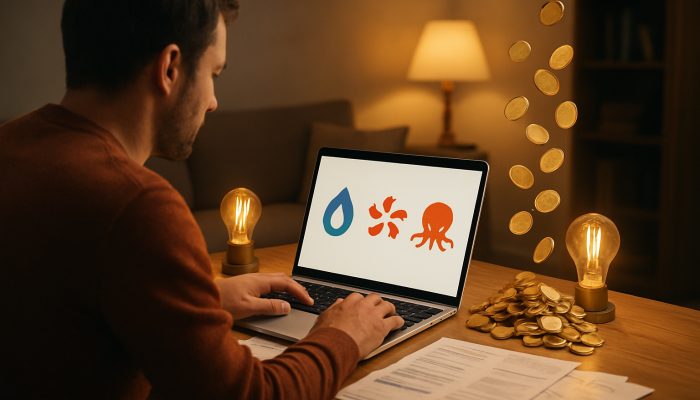
Regular evaluation of your utility contracts is crucial for pinpointing potential savings. In the UK, energy tariffs differ vastly between suppliers, making it essential to review your current plan. By comparing rates from providers such as British Gas, EDF, and Octopus Energy, you might discover more economical options that allow you to redirect savings towards loan repayments. This proactive strategy not only reduces your monthly expenses but also helps you avoid overcharging for essential services.
Employing price comparison websites can significantly ease this task. Platforms like Uswitch or MoneySuperMarket enable you to quickly compare tariffs and switch providers if necessary. Committing to an annual review of your utility contracts can free up funds that can be directly allocated to debt repayments, hastening your journey to financial freedom.
Identify and Cancel Unused Subscriptions for Extra Cash
Analysing your subscriptions can uncover surprising opportunities for savings. Numerous households in the UK maintain subscriptions to streaming services, gym memberships, or magazines that often go unused. By evaluating these subscriptions, you can pinpoint those that no longer offer value and cancel them. The funds saved can then be redirected to bolster monthly debt repayments.
Compile a comprehensive list of your subscriptions, including their costs and usage frequency. This visual tool aids in making informed decisions about which services to retain and which to discard. For instance, if you find that you haven’t visited your gym in months, cancelling it could release significant cash for debt reduction.
Negotiate Your Council Tax Payments for Potential Savings
Negotiating your council tax payments can yield considerable savings for both individuals and families. In the UK, local councils frequently offer discounts for single occupants or low-income households. By reaching out to your local council, you can inquire about eligibility for these concessions, potentially resulting in substantial reductions in your annual bills.
If you believe your property is overvalued, consider appealing your council tax band. Although this process can be intricate, a successful appeal may lead to lower payments and more funds available for debt repayments. Engaging with your council can reveal various options to alleviate your financial strain.
Annual Comparison of Insurance Quotes for Better Rates

Conducting an annual comparison of insurance quotes is vital for effectively managing your expenses. In the UK, home and car insurance premiums can vary significantly from one year to the next. By dedicating time to compare quotes from various providers, you can secure lower premiums that free up additional funds for loan repayments.
Utilise comparison sites such as Compare the Market or Confused.com to gather quotes and assess your options. You might also consider contacting your current insurer to negotiate a better rate based on your findings. This proactive tactic not only ensures you secure the best deal but also empowers you to allocate savings towards reducing outstanding loan balances more quickly.
Gain Valuable Insights on Cost Reduction to Facilitate Repayments
Perform In-Depth Reviews of Your Insurance Policies
Conducting thorough reviews of your insurance policies can lead to substantial savings. Begin by gathering information on your current home and car insurance, including coverage levels and premiums. Use online comparison tools to evaluate policies from various UK providers, focusing on both cost and coverage. Switching to a policy with lower premiums can release funds for debt repayments.
During your insurance review, pay close attention to excess amounts and coverage limits. Sometimes, opting for a slightly higher excess can significantly reduce your premiums. Always read the fine print and ensure you fully understand what is covered to avoid sacrificing essential protection for a lower cost.
Scrutinise Banking Fees and Charges

Banking fees can accumulate, adversely affecting your overall financial health. Many UK banks charge monthly fees for current accounts, overdrafts, or transaction costs. By switching to fee-free accounts at building societies or online banks, you can decrease your outgoings and accelerate debt reduction. Explore options such as Monzo or Starling Bank, which often provide no-fee services.
Set up alerts for any fees incurred on your current accounts. Understanding the sources of these charges enables you to make informed choices about your banking options. Redirecting the money saved from banking fees into your repayment plan can significantly enhance your financial stability.
Assess Your Mobile and Broadband Contracts for Savings
Bundling mobile and broadband services can lead to meaningful savings. Many UK providers offer discounts when you combine services, helping you lower monthly costs while keeping essential connectivity. Review your existing contracts and investigate options from providers like BT, Virgin Media, or Sky.
When considering a new deal, take into account your actual usage. If you find that you rarely utilise certain features, look for plans tailored to your needs without unnecessary extras. The savings achieved from switching providers or bundling services can be redirected towards loan repayments, assisting you in reaching your financial goals more swiftly.
Review Energy Provider Tariffs for Better Rates
Investigating energy provider tariffs is an essential step in reducing expenses. In the UK, energy prices can fluctuate significantly, and switching providers can result in considerable savings. Examine tariffs from suppliers such as British Gas, E.ON, and Octopus Energy to discover the best deal that suits your consumption patterns.
When switching, consider both the price per kilowatt-hour and any standing charges. Some providers may offer attractive rates but impose high standing charges that can diminish your savings. By thoroughly analysing these factors, you can make an informed choice that allows you to direct the savings straight into your repayment strategy while ensuring household comfort.
Review Your Subscription Services for Cost-Saving Opportunities
Evaluating subscription services is a practical method for identifying savings. Many UK households subscribe to multiple platforms like Netflix, Spotify, or gym memberships, often paying for services that are scarcely utilised. By reviewing these subscriptions, you can cancel those that no longer provide value and divert the savings towards debt repayments.
Consider creating a spreadsheet to track your subscriptions, detailing their costs and usage frequency. This visual tool can support you in making informed decisions about which services to keep. For instance, if you notice that you haven’t watched a specific streaming service in months, cancelling it could free up funds for more urgent financial obligations.
How Can Budgeting Tools Enhance Your Repayment Strategy?
Download Reliable Finance Applications for Better Budgeting
Utilising trustworthy finance applications can significantly enhance your budgeting efforts. Apps like Yolt or Emma allow you to categorise your spending and set financial objectives. By monitoring your expenses, you can identify areas where you can reduce spending and allocate surplus funds towards outstanding balances.
These applications frequently provide insights into your spending habits, aiding you in making informed decisions. For example, if you discover that a large portion of your budget is spent on dining out, you can adjust your habits and redirect those funds to repay debts. The convenience of budgeting apps promotes better financial management.
Establish Weekly Spending Limits for Enhanced Control
Setting weekly spending limits can offer clarity and control over your finances. By establishing realistic caps on discretionary purchases, you can ensure that any underspending is transferred directly to repayment accounts. This strategy not only assists in managing your budget but also encourages mindful spending.
To implement this, construct a straightforward weekly budget that outlines essential expenses alongside discretionary spending limits. By adhering to these limits, you can cultivate a habit of saving and redirect surplus funds towards debt repayment, ultimately fostering a more stable financial future.
Track Cash Versus Card Expenditures for Insightful Savings
Monitoring cash versus card expenditures is an effective strategy to identify potential savings. By recording all daily transactions, you can detect spending leaks that may otherwise go unnoticed. Minor expenses on coffee or snacks can accumulate and negatively impact your overall budget.
Utilise a budgeting app or a simple spreadsheet to log your transactions. This practice allows you to see where your money is being spent and enables you to redirect those small amounts into quicker loan settlements. Being mindful of your spending habits can lead to significant financial improvements over time.
Effective Strategies for Reducing Costs to Release Funds for Repayments
Maximise Benefits from Supermarket Loyalty Schemes
Optimising supermarket loyalty schemes can yield substantial savings on grocery bills. Major British retailers such as Tesco, Sainsbury’s, and Morrisons offer loyalty programmes that reward customers with points for every purchase. By strategically rotating between these supermarkets based on their promotions, you can accumulate points that convert into discounts or vouchers.
Consider the following advantages when evaluating loyalty schemes:
- Exclusive discounts on selected products
- Bonus points during promotional periods
- Access to personalised offers based on shopping habits
- Free vouchers for future shopping
By strategically leveraging these benefits, you can lower your grocery bills and allocate those savings towards debt repayments.
Prepare Meals in Advance to Save Money
Meal prepping is an effective method for reducing costs and enhancing your financial well-being. By cooking larger batches at home using seasonal British produce, you can avoid the lure of takeaway meals that can quickly drain your budget. This approach not only saves money but also promotes healthier eating habits.
Begin by planning your meals for the week and creating a shopping list based on seasonal ingredients. By preparing meals in advance, you ensure that nutritious options are readily available, minimising the likelihood of impulsive spending on takeaways. The savings from home cooking can be redirected to fortify your repayment strategy.
Sell Unused Household Items to Generate Extra Cash
Selling unused household items can provide one-off funds that can be allocated towards debt reduction. Many individuals have possessions around their homes that are no longer needed, ranging from old electronics to clothing. Listing these items on local platforms such as Facebook Marketplace or eBay can yield a quick influx of cash.
Consider organising a garage sale or using online marketplaces to reach a broader audience. The funds raised from these sales can significantly enhance your repayment efforts. This approach not only helps declutter your home but also enables you to redirect those resources towards achieving debt-free status.
What Are the Benefits of Switching Providers?
Achieve Substantial Savings on Gas and Electricity Bills
Switching energy providers can result in significant savings on gas and electricity bills. Under Ofgem regulations, consumers have the right to switch suppliers easily, often leading to hundreds of pounds saved annually. By comparing tariffs and moving to a more affordable provider, you can lower your monthly expenses.
When considering a switch, examine both variable and fixed-rate tariffs to identify the best match for your consumption patterns. The savings you realise from switching can be directly allocated to your repayment plan, facilitating quicker debt clearance while ensuring comfort in your home.
Lower Your Water Bill Expenses by Switching to a Meter
Reducing water bill costs can be achieved by requesting a meter installation from your local supplier. If you live alone or have low water usage, switching to a metered rate can result in considerable savings. This option allows you to pay only for what you use, freeing up funds for loan repayments.
Contact your local water supplier to explore the benefits of switching to a metered system. They can guide you through the installation process and clarify how it may impact your bills. The difference in charges can be redirected towards your repayment strategy, enhancing your overall financial position.
Reduce Your Car Insurance Premiums Through Comparison
Comparing car insurance quotes from British insurers at each renewal is critical for securing more affordable coverage. Many drivers overlook the potential savings available by switching providers. By taking the time to shop around, you can find a policy that offers the same coverage at a reduced price, enabling you to allocate the difference to credit card balances.
When comparing quotes, consider factors such as excess amounts, coverage limits, and customer reviews. This thorough approach ensures you not only save money but also receive adequate protection. The savings from a lower premium can significantly contribute to your overall debt reduction strategy.
How Does Debt Consolidation Work in Practice?
Combine Multiple Credit Accounts for Simplified Management
Debt consolidation involves merging several credit accounts into one lower-rate product from a UK lender. This process simplifies payments, making it easier to manage your finances. By consolidating loans or credit cards, you can potentially reduce the total interest paid, freeing up more funds for repayments.
To begin, assess your existing debts and research consolidation options available from lenders such as banks or credit unions. Ensure you comprehend the terms and conditions before proceeding, as some consolidation loans may incur fees. The goal is to establish a manageable repayment plan that accelerates your journey to becoming debt-free.
Calculate Potential Interest Rate Savings from Consolidation
Calculating potential interest rate savings is vital when considering debt consolidation. Compare your current Annual Percentage Rates (APRs) against consolidation offers to ensure genuine reductions. This evaluation is essential in determining whether consolidation will save you money over the long term.
To perform this calculation, compile details of your existing debts, including balances and interest rates. Use this information to assess potential consolidation options. If the new rate is significantly lower, consolidating could lead to faster debt clearance, enabling you to allocate more funds towards repayments.
Establish Automatic Transfers for Consistency in Payments
Setting up automatic transfers from your current accounts can streamline your repayment process. By arranging direct debits to ensure that savings from cost-cutting flow directly into your consolidated repayment schedule, you maintain consistency in your payments. This method reduces the risk of missed payments and the associated extra charges.
Consider scheduling these transfers shortly after payday to ensure that your repayments are prioritised. This approach not only simplifies financial management but also aids in building a positive repayment history, ultimately leading to improved credit scores.
Understand the Impact of Consolidation on Your Credit Score
Understanding how consolidating multiple debts affects your credit score is crucial. Initially, consolidating debts may cause a slight decrease in your credit rating due to the hard inquiry and changes in credit utilisation. consistent on-time payments and significantly reduced credit utilisation ratios can lead to positive improvements over time.
Regularly monitoring your credit score can help you track these changes. Utilise services such as Experian or ClearScore to keep an eye on your score and comprehend how your repayment habits influence it. Being aware of these dynamics empowers you to make informed decisions about your financial future.
Manage Unexpected Financial Changes Effectively
Effectively managing unexpected financial changes is essential during your debt repayment journey. If you encounter a sudden loss of income or unforeseen expenses, promptly reach out to your UK lender to discuss available options. Many lenders are amenable to renegotiating terms, such as extending repayment periods or lowering monthly amounts, to ensure you remain on track.
Taking proactive measures in these situations can prevent defaults and protect your credit score. Document any changes in your financial circumstances and communicate openly with your lender. This strategy ensures that your repayment agreement remains sustainable, allowing you to navigate financial challenges without hindering your progress.
Fostering Long-Term Financial Habits for Sustainability
Prioritise Establishing an Emergency Fund
Creating an emergency fund is a foundational step towards achieving financial stability. By setting aside a small monthly amount into a UK savings account, you establish a financial buffer that helps prevent future borrowing. This proactive measure safeguards your repayment progress and diminishes the likelihood of falling back into debt.
Aim to save at least three to six months’ worth of living expenses in your emergency fund. This buffer provides a safety net during unexpected financial challenges, ensuring that you can continue making your loan repayments without undue stress. Cultivating this habit fosters a sense of security and promotes responsible financial management.
Quarterly Reassessment of Financial Goals for Progress Tracking
Regularly reviewing your financial goals is vital for maintaining momentum towards debt clearance. Every three months, reassess your targets for debt repayment and evaluate the effectiveness of your cost-cutting strategies. This practice enables you to adjust your approach as necessary to stay on track.
Consider establishing specific, measurable goals for each quarter, such as paying off a certain percentage of your debt. By monitoring your progress and modifying your strategy, you can sustain motivation and ensure that your financial habits align with your long-term objectives.
Celebrate Milestones to Maintain Motivation
Recognising milestone achievements is crucial for sustaining motivation on your debt repayment journey. Each cleared balance signifies a noteworthy accomplishment, and celebrating these moments can reinforce positive financial behaviours. Opt for low-cost rewards, like a special meal or a day out, to commemorate these achievements.
Celebrating milestones not only boosts morale but also underscores the importance of prudent spending habits. By acknowledging your progress, you create a positive feedback loop that encourages continued diligence in managing your finances and achieving your debt-free goals.
Common Questions and Answers
What are effective methods to reduce household costs?
Effective methods to lower costs at home include reviewing utility contracts, cancelling unused subscriptions, and comparing insurance quotes. These actions can help free up funds for debt repayments.
How frequently should I review my insurance policies?
It is advisable to review your insurance policies on an annual basis. This ensures you secure the best rates and coverage available, allowing you to save money for repayments.
Which budgeting tools are recommended for UK residents?
Popular budgeting tools for UK residents include Yolt, Emma, and Monzo. These applications assist in tracking spending, establishing budgets, and allocating funds towards debt repayments.
How can I negotiate for lower council tax payments?
To negotiate lower council tax payments, contact your local council to inquire about discounts for single occupants or low-income households. They can provide guidance on available options.
What are the advantages of consolidating debts?
Consolidating debts simplifies payments by merging multiple accounts into one lower-rate product. This approach can decrease the overall interest paid and free up funds for repayments.
How can I reduce my energy bills?
You can reduce energy bills by regularly comparing tariffs from various providers and switching to a more affordable plan. This practice can lead to significant annual savings.
What should I do if I encounter unexpected financial difficulties?
If you face unexpected financial difficulties, contact your lender promptly to discuss options for renegotiating terms. Many lenders offer flexible solutions to assist in managing payments.
How does meal prepping assist with budgeting?
Meal prepping aids budgeting by reducing the temptation to spend on takeaways. Cooking in larger quantities allows you to utilise seasonal ingredients and save money for debt repayments.
What benefits do supermarket loyalty schemes offer?
Supermarket loyalty schemes provide advantages such as exclusive discounts, bonus points, and personalised offers. These benefits help lower grocery costs and free up funds for repayments.
How frequently should I check my credit score?
It is wise to check your credit score regularly, ideally each month. This practice helps you monitor changes and understand how your financial habits affect your credit rating.
Visit our Facebook profile!
This Article Was First Found On: https://www.debtconsolidationloans.co.uk
The Article Cutting Costs for Proven Repayment Methods found first on https://electroquench.com